In today’s fast-paced architecture, real estate, and construction industries, communicating ideas clearly is one of the biggest challenges professionals face. Blueprints, 2D drawings, and digital renders often fail to fully convey scale, depth, and spatial relationships to clients, investors, or authorities.
This is where 3D architectural model making & manufacturing becomes a game-changer.
At BD3D, on-demand 3D architectural models are designed to solve real problems from miscommunication and design revisions to delayed approvals and weak presentations. This blog explores why 3D architectural model making matters, how it solves industry challenges, and how modern manufacturing techniques are shaping the future of architectural visualization.
The Problem with Traditional Architectural Communication
Before exploring solutions, it’s important to understand the issues professionals commonly face.
Common Challenges Architects & Developers Face
- Clients struggle to visualize spaces from 2D drawings
- Investors find it hard to understand project scale and layout
- Approval authorities require clearer physical representation
- Late-stage design changes increase costs
- Marketing teams lack impactful physical presentation tools
Even the most detailed digital renders can leave room for misunderstanding. This gap between imagination and reality often leads to delays, rework, and lost confidence.
What Are 3D Architectural Models?
Understanding 3D Architectural Models
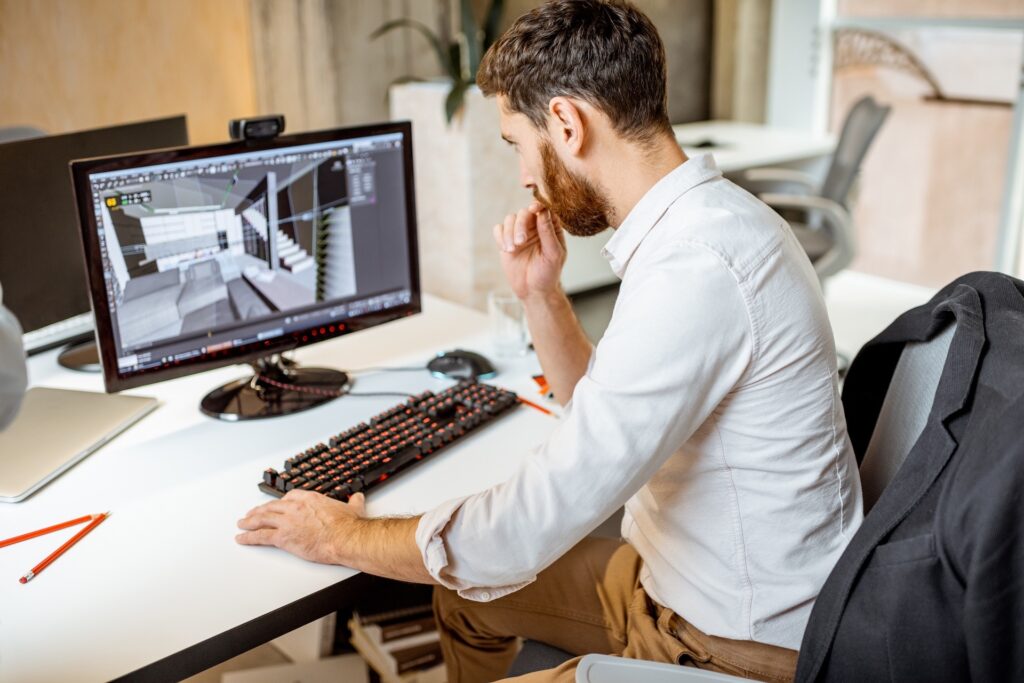
3D architectural models are physical scale models that represent buildings, landscapes, interiors, or entire master plans. These models are manufactured using advanced technologies such as 3D printing, CNC machining, laser cutting, and hand finishing.
They allow stakeholders to see, touch, and understand a project before it’s built.
Types of 3D Architectural Models
- Concept models for early-stage design
- Presentation models for clients and investors
- Sales and marketing models for real estate
- Master planning and urban development models
- Interior and landscape architectural models
Each model serves a specific purpose, solving a specific problem in the project lifecycle.
Why 3D Architectural Model Making & Manufacturing Is Essential Today
Solving Visualization Problems with Physical Accuracy
Unlike digital visuals, 3D architectural models provide:
- True sense of scale and proportion
- Clear spatial understanding
- Physical interaction with the design
- Immediate clarity for non-technical audiences
This makes them invaluable for presentations, exhibitions, and decision-making meetings.
3D Architectural Model Making for Architects
Helping Architects Reduce Design Revisions
Architects often face repeated revisions because clients don’t fully understand designs early on.
How 3D architectural models help:
- Clients instantly grasp layout and massing
- Design feedback becomes more precise
- Fewer late-stage changes
- Faster design approvals
A physical model removes assumptions and aligns everyone from day one.
3D Architectural Models for Real Estate Developers
Turning Projects into Powerful Sales Tools
Real estate developers don’t just sell buildings; they sell vision.
3D architectural model making & manufacturing helps developers:
- Showcase projects before construction begins
- Build trust with investors
- Explain complex developments clearly
- Increase buyer confidence
Sales teams using high-quality 3D architectural models consistently outperform those relying only on brochures or screens.
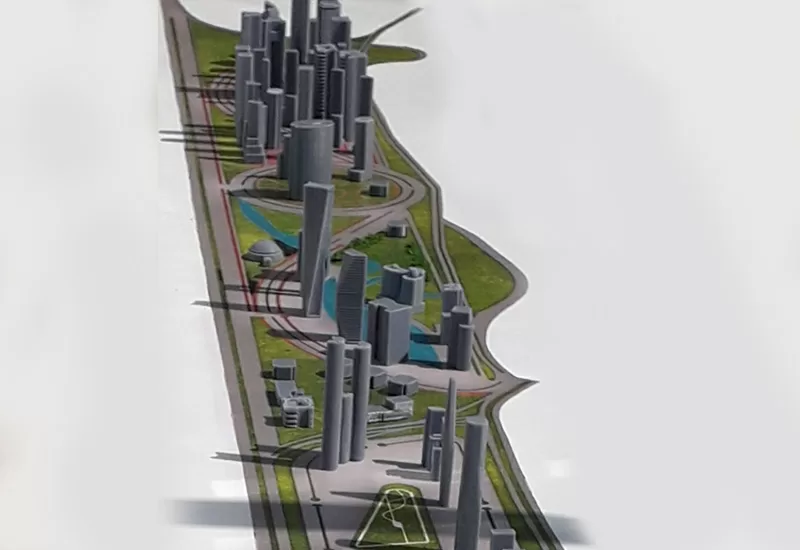
3D Architectural Models for Urban Planning & Government Approvals
Simplifying Complex Master Plans
Urban planners and authorities often deal with:
- Large-scale developments
- Infrastructure planning
- Traffic flow and zoning issues
Physical 3D architectural models simplify decision-making by showing:
- Building density
- Road networks
- Green spaces
- Environmental impact
This leads to faster approvals and better collaboration between stakeholders.
The Manufacturing Process Behind 3D Architectural Models
From Concept to Reality
At companies like BD3D, 3D architectural model making follows a structured manufacturing process:
Step 1: Design Analysis
- Reviewing drawings, CAD files, or BIM models
- Understanding project goals and scale
Step 2: Digital Model Preparation
- Optimizing files for manufacturing
- Ensuring accuracy and detailing
Step 3: Precision Manufacturing
- 3D printing for fine details
- CNC machining for structural components
- Laser cutting for clean, sharp elements
Step 4: Assembly & Finishing
- Hand assembly for accuracy
- Painting, texturing, and lighting
- Final quality checks
This hybrid approach ensures speed, accuracy, and premium finish.
On-Demand 3D Architectural Model Manufacturing: Why It Matters
Solving Time & Budget Constraints
Traditional model making can be slow and expensive. On-demand manufacturing solves this problem.
Benefits of on-demand 3D architectural models:
- Faster turnaround times
- Cost-effective production
- Custom scales and detailing
- Flexible revisions
- No long-term storage costs
This makes professional 3D architectural model making accessible to projects of all sizes.
Why 3D Architectural Models Are Still Relevant in a Digital World
Physical Models Create Emotional Impact
Despite advancements in VR and AR, physical 3D architectural models remain unmatched when it comes to:
- Client engagement
- Exhibition impact
- Boardroom presentations
- Marketing displays
People trust what they can physically see and touch. A well-crafted model creates confidence that screens cannot replicate.
Industries That Rely on 3D Architectural Model Making
Who Benefits Most?
- Architectural firms
- Real estate developers
- Construction companies
- Interior designers
- Urban planners
- Government authorities
- Educational institutions
Each industry uses 3D architectural models to solve different problems; but the goal remains the same: clarity and confidence.
Choosing the Right 3D Architectural Model Making Company
What to Look For
Not all model makers deliver the same results. When choosing a partner, look for:
- Proven experience in architectural models
- Advanced manufacturing capabilities
- On-demand production flexibility
- High attention to detail
- Strong communication and project understanding
A reliable partner ensures your model doesn’t just look good; but works as a solution.
Why BD3D Is Built for Modern Architectural Challenges
BD3D specializes in on-demand 3D architectural model making & manufacturing, combining technology with craftsmanship to meet real-world project demands.
What sets BD3D apart:
- Precision-driven manufacturing
- Custom models for every project stage
- Fast and scalable production
- High-quality finishes
- Client-focused problem solving
BD3D doesn’t just create models, it creates clarity, confidence, and impact.
The Future of 3D Architectural Model Making & Manufacturing
Where the Industry Is Heading
The future of 3D architectural models is being shaped by:
- Smarter 3D printing technologies
- Sustainable materials
- Integration with BIM and digital workflows
- Faster on-demand manufacturing
- More interactive physical models
As projects become more complex, the need for accurate physical representation will only grow.
Final Thoughts: From Design Confusion to Design Confidence
Every architectural project faces moments of uncertainty, whether it’s client approval, investor confidence, or design clarity.
3D architectural model making & manufacturing turns uncertainty into understanding.
By investing in high-quality 3D architectural models, professionals don’t just present ideas, they solve problems, speed up decisions, and elevate project success.
If your goal is clearer communication, stronger presentations, and better project outcomes, on-demand 3D architectural models are no longer optional—they’re essential.