In architecture and real estate, one challenge continues to slow projects down: designs are often misunderstood before construction begins. Architectural Model Makers help solve this problem by turning drawings and digital files into clear, physical models that people can instantly understand.
While plans and renders are useful, they do not always communicate real scale, depth, or spatial flow. As a result, clients hesitate, approvals slow down, and revisions increase, costing both time and money.
This is why physical architectural models still play a critical role in modern projects.
At BD3D, expert modelling professionals create on-demand physical models that transform complex ideas into real-world clarity. Instead of assumptions, teams gain confidence. Instead of delays, decisions move faster.
In this guide, you’ll learn why professional model makers matter, the problems they solve, and how BD3D helps projects move forward smoothly.
Why Architectural Designs Are Often Misunderstood
Before exploring solutions, it is important to understand where communication breaks down.
Common Communication Challenges in Architecture
Across projects, architects and developers face recurring issues:
- Clients struggle to visualize spaces from drawings
- Investors question project scale and layout
- Authorities request clearer physical explanations
- Late-stage changes increase cost and timelines
- Marketing teams lack strong presentation tools
Although digital visualization has improved, it still leaves room for interpretation. According to ArchDaily, physical models remain one of the most effective ways to communicate architectural intent to non-technical audiences. Projects without physical representation often lose momentum early.
What Do Architectural Model Makers Actually Do?
Understanding the Role of Physical Model Specialists
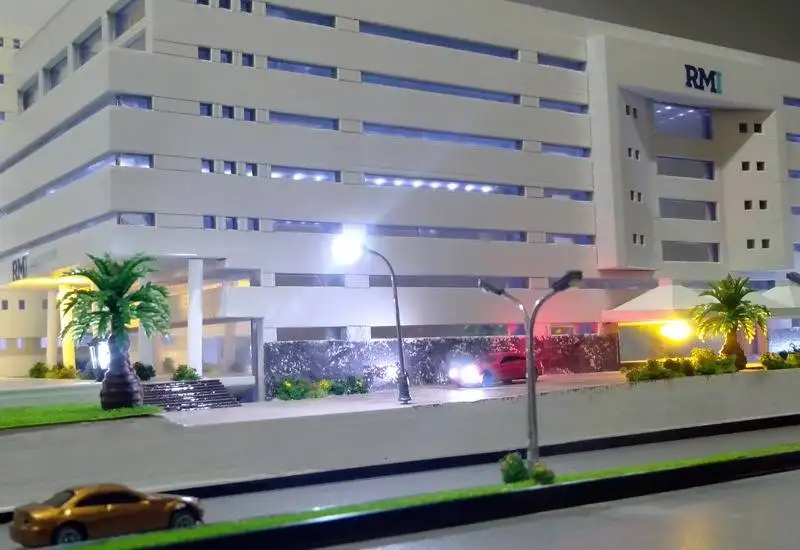
Architectural model makers create accurate physical scale models of buildings, interiors, landscapes, and master plans. These models allow anyone, technical or not, to understand a project instantly.
Modern professionals like the team at BD3D combine craftsmanship with advanced manufacturing methods, including:
- 3D printing
- CNC machining
- Laser cutting
- Precision hand finishing
This hybrid approach ensures each model is both technically precise and visually compelling.
Why Physical Architectural Models Are Still Essential
Solving Visualization Problems with Real-World Accuracy
Even as VR and AR grow in popularity, physical models provide benefits that screens cannot replicate.
Physical architectural models:
- Show true scale and proportion
- Improve understanding for non-technical viewers
- Allow 360-degree viewing from every angle
- Create stronger emotional and visual impact
Because of this, meetings become more productive and decision-making becomes faster and more confident.
How Architects Benefit from Professional Model Makers
Reducing Revisions and Approval Delays
Architects often face repeated design changes simply because clients don’t fully understand early concepts.
Physical model specialists help by:
- Making layouts easier to interpret
- Encouraging clearer and more accurate feedback
- Reducing late-stage revisions
- Supporting faster client and authority approvals
When everyone sees the same physical reference, communication improves from the very beginning.
Why Developers Use Architectural Models as Sales Tools
Turning Design into Trust
Real estate developers don’t just sell buildings; they sell confidence and vision.
Physical models help developers:
- Present projects before construction begins
- Build investor confidence
- Explain large or complex developments clearly
- Strengthen sales office presentations
In many cases, these models become the centerpiece of investor meetings and buyer presentations.
Supporting Planning Authorities and Government Approvals
Making Large-Scale Projects Easy to Review
Urban planners and authorities regularly review complex developments involving zoning, infrastructure, and public spaces.
Physical models clearly communicate:
- Building density and massing
- Road and access networks
- Green and public spaces
- Overall project context
Because everything is visible at once, discussions become simpler and approvals move faster.
How BD3D Experts in Modelling Work
From Design Files to Finished Physical Models
At BD3D, on-demand model production follows a structured and efficient workflow.
Step 1: Design Review
- Analyze CAD, BIM, or drawings
- Define scale and level of detail
Step 2: Digital Preparation
- Optimize files for manufacturing
- Improve structural accuracy
Step 3: Precision Manufacturing
- 3D printing for fine details
- CNC machining for strong components
- Laser cutting for clean geometry
Step 4: Assembly and Finishing
- Careful hand assembly
- Painting, texturing, and optional lighting
- Final quality checks
Modern workflows often integrate BIM processes, as outlined by Autodesk, ensuring accuracy from digital model to physical form.
Why On-Demand Model Production Matters
Solving Time and Budget Constraints
Traditional model making can be slow and costly. On-demand production changes this completely.
Key advantages include:
- Faster turnaround times
- Lower production costs
- Easy updates for design changes
- Custom scales and finishes
- No long-term storage concerns
This flexibility makes physical models accessible to projects of all sizes.
Industries That Rely on Architectural Models
Today, physical model solutions support:
- Architectural firms
- Real estate developers
- Construction companies
- Interior designers
- Urban planners
- Government authorities
- Educational institutions
While needs differ, the goal remains the same: clear communication and confident decisions.
How to Choose the Right Architectural Model Partner
When selecting a modelling company, look for:
- Proven industry experience
- Advanced manufacturing capabilities
- On-demand flexibility
- High attention to detail
- Clear communication
BD3D meets these criteria by focusing on problem-solving, not just production.
Why BD3D Is Trusted by Industry Professionals
BD3D specializes in on-demand Architectural Model Making & Manufacturing, combining modern technology with skilled craftsmanship.
What Sets BD3D Apart
- Precision-focused production
- Fast and scalable delivery
- Custom models for every project stage
- High-quality finishes
- Client-first problem solving
Instead of simply building models, BD3D builds clarity, trust, and confidence.
The Future of Architectural Model Making
The industry continues to evolve through:
- Advanced 3D printing
- Sustainable materials
- BIM integration
- Faster on-demand workflows
- Interactive physical models
As architectural projects grow more complex, the need for physical representation will only increase