Women’s healthcare projects are among the most impactful community initiatives, yet they are often some of the hardest to communicate. Whether the goal is building a maternal health center, upgrading a rural clinic, or educating communities about available healthcare services, technical drawings and architectural plans rarely tell the full story. Healthcare professionals may understand construction documents, but donors, local leaders, and community members often struggle to visualize how these facilities will function in everyday life. Through 3D Architectural Model Making & Manufacturing, these complex ideas can be transformed into physical models that make healthcare projects easier to understand before they become reality.
One of the biggest challenges in public health infrastructure is creating trust through clear communication. Women’s health projects involve multiple stakeholders, including humanitarian organizations, medical professionals, funding agencies, local authorities, and the communities they serve. Working with an experienced 3D model making company helps bridge this communication gap by converting technical drawings into detailed physical models that clearly demonstrate how healthcare facilities will operate and benefit local communities.
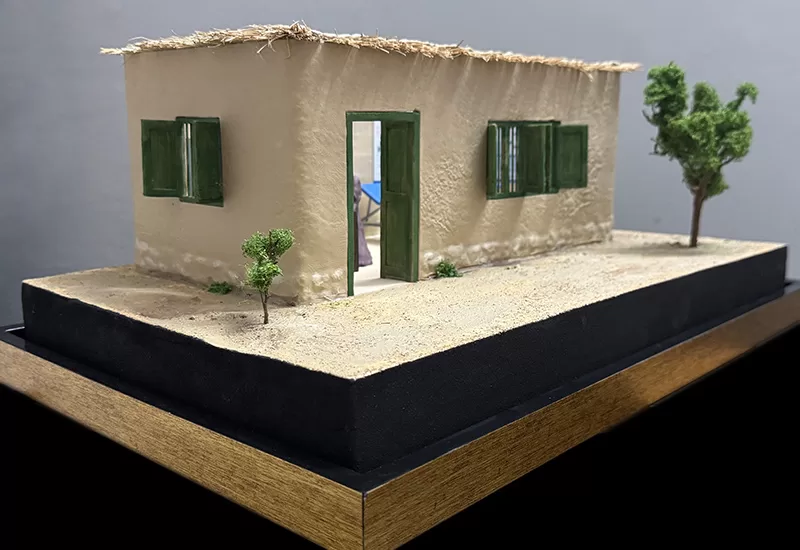
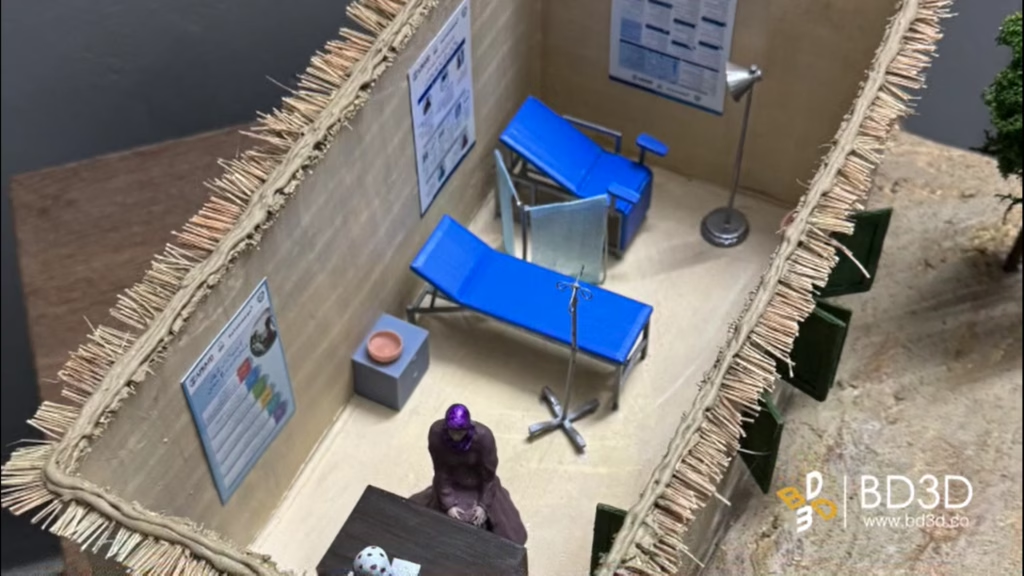
The PATHFINDER – Building Healthy Families project is an excellent example of how physical models can communicate much more than architecture. Commissioned as part of a women’s healthcare initiative funded by USAID, the project required BD3D to transform technical drawings into a highly detailed 1′ 1.5′ architectural model. The model recreated a rural healthcare environment complete with an operational theatre, medical equipment, healthcare professionals, patients, educational health posters, open building sections, and a traditional village setting. Rather than simply presenting a building, the model visually explained how quality healthcare could become more accessible for women and families living in rural communities.
How 3D Architectural Model Making & Manufacturing Improves Women’s Health Communication
Healthcare infrastructure is designed for people, making effective communication just as important as good design. Unfortunately, many healthcare projects are presented using floor plans, elevations, or digital renderings that require technical knowledge to interpret. For community members who will ultimately benefit from these facilities, these documents often create more questions than answers.
Physical 3D architectural models solve this problem by providing an easy-to-understand representation of the complete project. Instead of imagining how different spaces connect, viewers can immediately understand the layout, circulation, patient journey, and relationship between different healthcare areas.
For organizations working in maternal and women’s health, this visual clarity becomes especially valuable because community trust plays a significant role in project success.
The PATHFINDER Building Healthy Families Project
The Building Healthy Families initiative was developed to communicate the importance of accessible healthcare for women and families living in rural communities. Rather than creating a conventional building model, the project focused on showing how healthcare services operate within a realistic community environment.
Client-provided drawings formed the starting point for the project. As with every professional architectural model making company, BD3D first translated these drawings into a detailed digital model before beginning physical manufacturing. This verification process ensured every architectural element accurately reflected the approved design while allowing refinements before production.
Once approved, the digital design was transformed into a 1′ 1.5 physical model that captured both the healthcare facility and the surrounding village environment in remarkable detail.
Unlike traditional presentation models, this project emphasized storytelling through architecture. Every section of the model contributed to explaining how healthcare services would support women and their families.
Creating a Realistic Healthcare Environment
The success of the PATHFINDER project came from its attention to detail. Every component was carefully designed to communicate a realistic healthcare experience rather than simply displaying a building.
Key features included:
- A detailed operational theatre.
- Medical equipment and treatment spaces.
- Doctor and patient figures demonstrating healthcare delivery.
- Traditional village architecture surrounding the facility.
- Open building sections allowing interior visibility.
- Educational health posters positioned throughout the interior.
- Rural design elements reflecting the local community.
Together, these details transformed the model into a visual communication tool rather than just an architectural display.
Experienced architectural model makers understand that people connect more easily with environments they recognize. Incorporating familiar village architecture alongside modern healthcare facilities helped stakeholders understand how the project would integrate into the surrounding community rather than appear disconnected from local life.
Visual Communication Builds Community Confidence
Women’s healthcare projects often depend on public understanding and community participation. A physical model allows discussions to focus on the people who will benefit from the project instead of requiring audiences to interpret technical documentation.
The PATHFINDER model helped communicate:
- How patients would move through the healthcare facility.
- The relationship between treatment spaces.
- The purpose of different healthcare rooms.
- The integration of the clinic within the surrounding village.
- The project’s overall vision for improving women’s healthcare.
By making these concepts visible, the model encouraged more meaningful conversations between project teams, donors, healthcare professionals, and community representatives.
Supporting a Project That Promotes Women’s Well-Being
The Building Healthy Families project represented more than an architectural assignment. It reflected an initiative focused on improving the health and well-being of women and families through better healthcare access and education.
For the BD3D team, contributing to a project centered on women’s health was particularly meaningful. Knowing that the completed model would help communicate an initiative designed to address real healthcare challenges added purpose to every stage of the manufacturing process. The team approached the project with genuine enthusiasm, recognizing that clear visual communication can play an important role in helping important community initiatives gain understanding and support.
How the Model Improved Stakeholder Communication
Healthcare projects involve a wide range of stakeholders, from humanitarian organizations and healthcare professionals to donors, government representatives, and local communities. Each group views a project from a different perspective, making clear communication essential for successful planning and implementation.
The Building Healthy Families model helped bridge this communication gap by presenting the project in a way that everyone could understand. Rather than asking stakeholders to interpret technical drawings, the physical model allowed them to see the proposed healthcare environment as a complete, realistic space.
The detailed operation theatre, healthcare equipment, doctor and patient figures, and surrounding village environment demonstrated how the facility would function within the community. This made discussions more productive because conversations focused on healthcare delivery rather than trying to interpret architectural plans.
For organizations such as PATHFINDER, whose objective extends beyond constructing buildings to improving women’s healthcare, visual communication becomes an important part of building confidence and encouraging community engagement.
Why Small Details Made a Big Difference
One of the defining characteristics of the Building Healthy Families project was its attention to detail. Every element was intentionally included to communicate a realistic healthcare experience rather than simply showcase architecture.
Some of the most important features included:
- A fully detailed operation theatre.
- Medical tools and treatment equipment.
- Doctor and patient figures demonstrating healthcare services.
- Open building sections that revealed interior spaces.
- Educational health posters placed inside the building.
- Traditional village architecture surrounding the healthcare facility.
These details transformed the model into a storytelling tool. Instead of only showing where walls and rooms were located, it explained how the facility would operate and how it would serve women and families within the community.
This level of craftsmanship is what distinguishes experienced architectural model makers from manufacturers who focus only on physical construction.
The Importance of Choosing the Right 3D Model Making Company
Healthcare infrastructure requires more than architectural accuracy. Every project must communicate purpose, functionality, and accessibility to audiences with different levels of technical understanding.
A professional 3D model making company understands that successful models combine engineering precision with visual storytelling. Every feature, texture, figure, and interior detail contributes to helping stakeholders understand how the completed project will function.
For the PATHFINDER project, careful planning, digital verification, and precision manufacturing ensured that the completed model reflected both the architectural design and the broader mission of improving women’s healthcare.
Working with an experienced architectural model making company also helps ensure that projects involving education, healthcare, and humanitarian development are represented accurately while remaining engaging for diverse audiences.
Lessons from the PATHFINDER Building Healthy Families Project
The Building Healthy Families project highlights several important lessons about communicating healthcare infrastructure effectively.
| Challenge | How the Physical Model Helped |
|---|---|
| Technical drawings were difficult for non-technical audiences. | The physical model made the entire healthcare facility easy to understand. |
| Stakeholders needed to visualize patient care. | Interior details illustrated how medical services would be delivered. |
| The project needed to connect with rural communities. | Traditional village elements reflected the local environment. |
| Donors and project partners required a realistic presentation. | The highly detailed model communicated the project’s vision with clarity. |
These lessons demonstrate that physical models are not simply presentation tools. They are practical communication assets that help align everyone involved in a project.
Why Physical Models Continue to Matter in Healthcare Projects
Although digital visualization technologies continue to evolve, physical 3D architectural models remain one of the most effective ways to explain healthcare infrastructure.
They help stakeholders:
- Understand complex healthcare facilities quickly.
- Visualize relationships between different spaces.
- Discuss projects collaboratively.
- Build confidence before construction begins.
- Create stronger engagement with communities.
For projects focused on women’s health, where trust, education, and accessibility are essential, these advantages become even more valuable.
Conclusion
The PATHFINDER Building Healthy Families project demonstrates how thoughtful 3D Architectural Model Making & Manufacturing can transform complex healthcare concepts into meaningful visual experiences. Beginning with client-provided drawings, BD3D developed a verified digital model before producing a highly detailed 1′ × 1.5′ physical model that accurately represented both the healthcare facility and the surrounding rural community.
By combining architectural precision with realistic storytelling, the project helped communicate the importance of women’s healthcare in a way that technical drawings alone could never achieve. As an experienced 3D model making company, BD3D continues to create high-quality 3D architectural models that help organizations present healthcare, humanitarian, and community development projects with greater clarity and confidence.
If you’re planning a healthcare, humanitarian, or public infrastructure project, explore BD3D’s Services, Portfolio, National Projects, International Projects, and Contact page to learn how professionally crafted architectural models can help communicate your vision and engage every stakeholder.